How to Avoid Carbon Buildup Up in Lincoln Aviator Engines
The Lincoln Aviator, particularly models equipped with the 3.0L EcoBoost V6 engine, can experience carbon buildup on intake valves and ports over time. This issue, while common in many direct injection engines, requires specific attention to maintain optimal performance and longevity. Understanding the causes, symptoms, and solutions for carbon buildup can help Aviator owners address […]
The Lincoln Aviator, particularly models equipped with the 3.0L EcoBoost V6 engine, can experience carbon buildup on intake valves and ports over time. This issue, while common in many direct injection engines, requires specific attention to maintain optimal performance and longevity. Understanding the causes, symptoms, and solutions for carbon buildup can help Aviator owners address this concern before it leads to more serious problems.
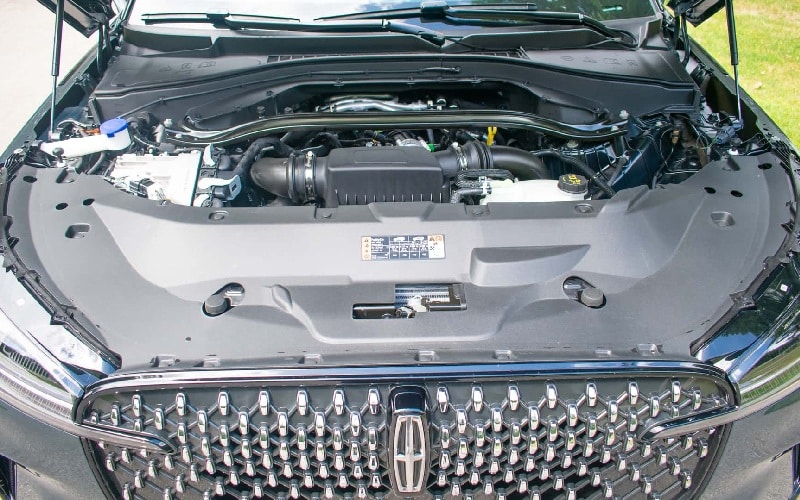
Direct Injection and Carbon Formation
The Lincoln Aviator advanced EcoBoost engines utilize direct fuel injection technology, which offers significant benefits in power output and fuel efficiency. However, this design has an inherent vulnerability to carbon accumulation:
Injection Location: In direct injection systems, fuel is sprayed directly into the combustion chamber rather than into the intake ports. This means fuel never washes over the intake valves, which would usually help clean them.
Oil Vapour Circulation: Modern engines recirculate crankcase vapours (containing oil particles) through the intake system via the Positive Crankcase Ventilation (PCV) system. Without fuel washing over the valves, these oil vapours can bake onto the hot valve surfaces.
Exhaust Gas Recirculation (EGR): The EGR system routes a portion of exhaust gases back into the intake to reduce emissions. These gases contain carbon particles that can adhere to intake components.
Symptoms of Carbon Buildup
Aviator owners should be alert to several warning signs that may indicate carbon accumulation is affecting engine performance:
Performance Decline: Noticeable reduction in power, particularly during acceleration or when climbing hills.
Rough Idle: Engine runs unevenly or vibrates excessively when idling.
Hesitation and Misfires: Stumbling or hesitation during acceleration, or engine misfires under load.
Reduced Fuel Economy: Gradual decrease in fuel efficiency as carbon buildup restricts proper airflow.
Check Engine Light: Illumination of the malfunction indicator lamp, often accompanied by trouble codes related to fuel trim, misfires, or oxygen sensor readings.
Cold Start Issues: Difficulty starting the engine when cold, or rough running immediately after cold starts.
Prevention Strategies
While carbon buildup is somewhat inevitable in direct injection engines, several preventive measures can slow its progression:
Quality Fuel: Using high-quality fuel with detergent additives can help minimize carbon formation throughout the fuel system.
Regular Oil Changes: Maintaining fresh engine oil reduces the amount of contaminants circulating through the PCV system. For the Aviator, synthetic oil is recommended, with changes every 8,000 to 10,000 kilometers under normal driving conditions.
Proper Warm-up: Allowing the engine to reach operating temperature before driving aggressively helps ensure complete combustion and reduces carbon deposits.
Highway Driving: Regular highway driving at sustained speeds helps the engine reach optimal operating temperature and can help burn off some accumulating deposits.
Fuel Additives: Certain fuel system cleaners can help reduce carbon buildup when used as directed. Products containing Polyetheramine (PEA) have shown effectiveness in cleaning fuel systems.
Carbon Removal Methods
When prevention isn’t enough and carbon buildup becomes problematic, several cleaning methods are available:
Intake Valve Cleaning Service: This professional service involves removing the intake manifold to access the valves and ports. Technicians manually clean the valves using specialized solvents and tools. This is the most thorough method but also the most labour-intensive.
Walnut Blasting: A specialized cleaning process where crushed walnut shells are blasted at the valves under pressure. The shells are abrasive enough to remove carbon deposits but soft enough not to damage the metal components. This has become the industry standard for intake valve cleaning.
Chemical Cleaning: Some professional services use specialized chemical cleaners introduced through the intake system while the engine is running. While less invasive than mechanical cleaning, this method is typically less effective for heavy buildup.
Induction System Cleaning: A less invasive service where cleaning solutions are introduced through the throttle body or vacuum lines while the engine runs. This can help with mild to moderate carbon accumulation but may not fully address severe buildup on valve faces.
DIY Maintenance Options
While professional cleaning is recommended for severe carbon buildup, Aviator owners can perform several maintenance procedures to help manage the issue:
Throttle Body Cleaning: Removing and cleaning the throttle body can help maintain proper airflow. This component is accessible without major disassembly and can be cleaned with specialized throttle body cleaner.
Air Intake System Maintenance: Regularly replacing the air filter and inspecting the air intake system for leaks or contamination helps ensure clean air enters the engine.
Fuel System Cleaners: Using quality fuel system cleaners according to manufacturer directions can help maintain fuel injectors and reduce carbon formation. While these products can’t clean existing valve deposits in direct injection engines, they help maintain the fuel delivery system.
Oil Catch Can Installation: Some owners install aftermarket oil catch cans that intercept oil vapors before they enter the intake system. These devices capture oil particles that would otherwise contribute to carbon buildup.
When to Seek Professional Service
Certain situations warrant professional attention for carbon buildup issues:
Persistent Check Engine Light: If the malfunction indicator remains illuminated after basic maintenance, professional diagnosis is necessary.
Significant Performance Loss: Noticeable power reduction that affects drivability requires professional evaluation.
Failed Emissions Tests: If your Aviator fails emissions testing due to combustion inefficiency, carbon buildup may be a contributing factor.
High Mileage Vehicles: Aviators with more than 80,000 kilometers may benefit from preventive intake cleaning service, especially if they’ve never had this maintenance performed.
Severe Symptoms: If your vehicle exhibits multiple symptoms of carbon buildup simultaneously, professional service is recommended to prevent potential damage.
Long-term Engine Health
Maintaining your engine for longevity requires a comprehensive approach:
Maintenance Schedule Adherence: Following the recommended Lincoln maintenance schedule helps ensure all engine systems function properly, reducing stress that can contribute to carbon formation.
Driving Habits Adjustment: Avoid frequent short trips where the engine never reaches full operating temperature, as these conditions accelerate carbon buildup.
System Monitoring: Pay attention to how your vehicle performs and responds to changes in driving conditions. Early detection of issues allows for less invasive interventions.
Complete Fuel System Maintenance: Regular attention to all components of the fuel delivery system helps ensure optimal combustion, reducing carbon formation.
Five Facts About Engine Carbon Buildup
- The carbon deposits that form on intake valves can become so hard that they’re comparable to the hardness of diamonds on the Mohs scale, making them extremely difficult to remove without specialized equipment.
- A severely carbon-fouled intake valve can reduce airflow by up to 40%, significantly impacting engine performance and fuel economy.
- The walnut shell blasting technique used to clean intake valves was adapted from industrial cleaning processes used in aerospace manufacturing.
- Temperature cycling of the intake valves (heating and cooling) actually accelerates carbon buildup by creating a more adhesive surface for particles to stick to.
- Some luxury European manufacturers have returned to using dual injection systems (combining direct and port injection) specifically to address the carbon buildup issue inherent in direct injection engines.
Questions and Answers About Lincoln Aviator Engines
How frequently should I have my Lincoln Aviator intake valves cleaned?
- Most owners should treat intake valve cleaning as preventive maintenance every 60,000 to 80,000 kilometers. Driving habits greatly affect this interval. Vehicles that make frequent short trips or face stop-and-go traffic often need service sooner, while those driven mainly on highways can go longer between cleanings. Watch for signs such as rough idling, hesitation during acceleration, or reduced fuel economy to know when it’s time for a cleaning.
Will using premium fuel prevent carbon buildup in my Aviator engine?
- Premium fuel alone cannot prevent carbon buildup on intake valves in direct injection engines like the EcoBoost. Carbon accumulation occurs because the fuel never contacts the intake valves to clean them. However, premium fuel typically contains higher-quality detergent additives that can help keep fuel injectors clean and promote more complete combustion, which may slightly reduce the rate of carbon formation. For best results, combine quality fuel with other preventive measures like regular oil changes and occasional fuel system cleaners.
Can I clean my Aviator intake valves without removing the intake manifold?
- Complete cleaning of intake valves in direct injection engines typically requires manifold removal for proper access. Chemical cleaners introduced through the intake tract while the engine runs (often called “Italian tuneups” or induction service) may help with mild buildup but are generally ineffective against moderate to severe carbon deposits. These deposits harden and bond tightly to the valve surface, so technicians must remove the manifold and clean them directly with walnut blasting or manual scrubbing.
Does the Lincoln Aviator Hybrid model experience the same carbon buildup issues?
- Yes, the Grand Touring hybrid model uses the same 3.0L EcoBoost V6 with direct injection as its foundation, so it remains susceptible to intake valve carbon buildup. However, some hybrid owners report slightly reduced carbon accumulation rates, possibly due to the engine’s different operating cycle and load patterns. The hybrid system allows the gasoline engine to operate more consistently in its efficient range, potentially reducing conditions that accelerate carbon formation. Nevertheless, hybrid owners should still follow the same preventive maintenance recommendations.
Will an engine oil catch can completely solve carbon buildup problems in my Aviator?
- An oil catch can will help reduce—but not eliminate—carbon buildup by capturing oil vapors before they enter the intake system through the PCV valve. While this addresses one source of carbon deposits (oil contamination), it doesn’t affect other contributors like EGR flow or incomplete combustion. Most owners who install catch cans report they need to empty them every 5,000 to 8,000 kilometers, with collected oil ranging from 30 to 60 milliliters, demonstrating their effectiveness at capturing contaminants. Consider a catch can as part of a comprehensive prevention strategy rather than a complete solution.
Disclaimer: Content contained in this post is for informational purposes only and may include features and options from US or international models. Please contact the dealership for more information or to confirm vehicle, feature availability.