2026 Lincoln Navigator: Suspension and Steering Systems
The Lincoln Navigator uses a fully independent suspension system combined with electronically assisted steering technologies designed to balance ride comfort, vehicle stability, towing capability, and steering precision. Modern full-size luxury SUVs require advanced chassis engineering to manage significant vehicle mass while maintaining predictable handling under varying driving conditions. The new Lincoln Navigator integrates adaptive suspension […]
The Lincoln Navigator uses a fully independent suspension system combined with electronically assisted steering technologies designed to balance ride comfort, vehicle stability, towing capability, and steering precision. Modern full-size luxury SUVs require advanced chassis engineering to manage significant vehicle mass while maintaining predictable handling under varying driving conditions.
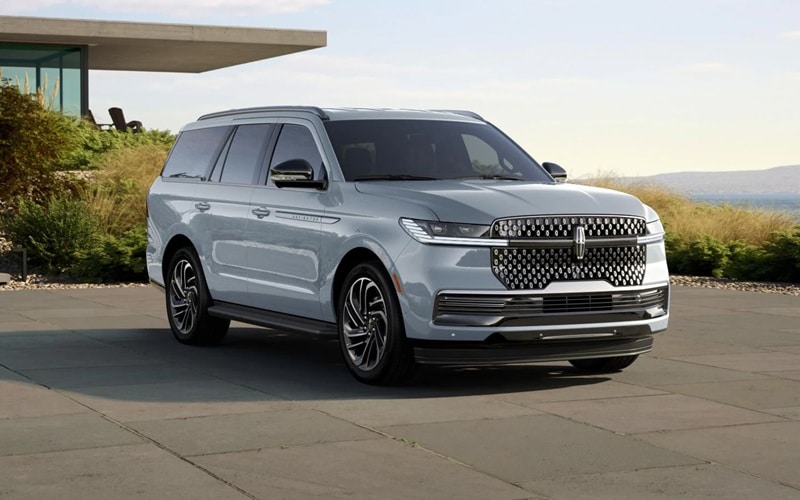
The new Lincoln Navigator integrates adaptive suspension control, electronically managed damping systems, independent front- and rear-suspension geometry, electric power-assisted steering, and multiple vehicle-dynamics control systems to support comfort and stability during highway driving, urban manoeuvring, towing, and winter operation in Canada.
Lincoln Navigator Suspension and Steering
The suspension and steering systems in the 2026 Lincoln Navigator are engineered to control:
- wheel movement
- ride comfort
- steering precision
- chassis stability
- vehicle balance
These systems must manage varying conditions including:
- highway cruising
- uneven pavement
- towing loads
- cornering forces
- snow-covered roads
The Navigator uses:
- independent front suspension
- independent rear suspension
- electronically controlled dampers
- stabilizer bars
- electric power-assisted steering
- chassis control electronics
- suspension height management systems where equipped
The steering and suspension systems communicate with:
- stability control systems
- braking systems
- drive-mode selectors
- traction-management systems
Front Suspension System
Independent Front Suspension Design
The Navigator uses an independent front suspension system that allows each front wheel to move separately in response to road conditions.
Independent suspension improves:
- ride comfort
- steering stability
- wheel control
- cornering consistency
The front suspension assembly generally includes:
- upper control arms
- lower control arms
- coil or air spring assemblies
- dampers
- steering knuckles
- stabilizer bars
- suspension bushings
Independent wheel movement helps reduce the transfer of road impacts from one side of the vehicle to the other.
Suspension Geometry
Front suspension geometry is carefully calibrated to manage:
- steering response
- wheel alignment stability
- tire contact consistency
- braking stability
Engineering considerations include:
- caster angle
- camber angle
- toe settings
- suspension travel range
These characteristics influence how the Navigator responds during:
- acceleration
- braking
- cornering
- uneven pavement conditions
Rear Suspension System
Independent Rear Suspension Layout
The Navigator uses a fully independent rear suspension system rather than a traditional solid rear axle.
This configuration improves:
- ride smoothness
- rear-wheel control
- passenger comfort
- body-motion management
The rear suspension assembly may include:
- multiple control arms
- air-spring assemblies
- adaptive dampers
- stabilizer bars
- isolated subframe mounting
Independent rear suspension helps maintain more consistent tire contact with the road surface during varying suspension movement.
Subframe Isolation
The rear suspension is mounted to an isolated subframe structure designed to reduce:
- vibration transfer
- road harshness
- drivetrain noise
Isolation bushings help separate suspension movement from the passenger cabin structure.
Adaptive Suspension System
Electronically Controlled Dampers
The Navigator may use adaptive damping technology that continuously adjusts suspension firmness according to driving conditions.
Electronically controlled dampers can modify damping force based on:
- road surface conditions
- steering input
- braking activity
- acceleration forces
- vehicle speed
The system continuously monitors vehicle behaviour and adjusts suspension response in real time.
Ride Comfort Optimization
Adaptive damping helps balance:
- ride isolation
- body-motion control
- cornering stability
- towing stability
Softer damping may be used during smooth highway cruising, while firmer damping may activate during:
- rapid steering inputs
- uneven road impacts
- towing operation
- aggressive braking
This continuous adjustment improves overall chassis refinement.
Air Suspension System
Height-Adjustable Suspension
Certain Navigator configurations may use an electronically controlled air-suspension system.
Air suspension replaces conventional steel coil springs with:
- pressurized air springs
- electronic compressors
- ride-height sensors
- air distribution valves
The system adjusts suspension height according to:
- vehicle load
- driving mode
- entry and exit functions
- aerodynamic requirements
Load-Leveling Capability
Air suspension systems can automatically compensate for:
- passenger load changes
- cargo weight
- trailer tongue weight
Load levelling helps maintain:
- suspension geometry
- headlight aim consistency
- ride stability
- steering balance
This is particularly important for full-size SUVs used for towing or carrying multiple passengers.
Suspension Bushings and Isolation
Vibration Management
Suspension bushings connect suspension components while allowing controlled flexibility.
Bushings help absorb:
- vibration
- road harshness
- impact forces
- chassis resonance
Materials are engineered to balance:
- ride comfort
- handling precision
- durability
The Navigator uses multiple isolation points throughout the suspension structure to improve cabin refinement.
Noise Reduction
Suspension isolation systems reduce:
- suspension noise transfer
- road-surface vibration
- structural resonance
Luxury SUV chassis tuning places significant emphasis on minimizing unwanted cabin disturbances.
Stabilizer Bars
Body Roll Control
Front and rear stabilizer bars help reduce body roll during cornering.
These bars connect suspension movement between the left and right sides of the vehicle.
When the Navigator corners, stabilizer bars help:
- distribute suspension forces
- reduce excessive leaning
- improve steering stability
The system supports better vehicle balance during:
- lane changes
- highway curves
- towing manoeuvres
Suspension Coordination
Stabilizer bar tuning is coordinated with:
- damper calibration
- spring rates
- steering response
- traction systems
This integrated tuning helps maintain predictable handling characteristics.
Electric Power-Assisted Steering
Electronically Assisted Steering System
The Navigator uses electric power-assisted steering rather than a traditional hydraulic steering pump system.
Electric steering systems use:
- electric assist motors
- steering sensors
- electronic control modules
The system adjusts steering assistance according to:
- vehicle speed
- steering angle
- driving mode
- stability-control input
Variable Steering Assistance
At lower speeds, steering assistance increases to improve manoeuvrability during:
- parking
- urban driving
- trailer positioning
At higher speeds, steering assistance decreases slightly to improve:
- directional stability
- steering precision
- highway control
This variable-assist strategy helps balance ease of use with a stable steering feel.
Steering Rack and Linkage System
Rack-and-Pinion Steering
The Navigator uses a rack-and-pinion steering system integrated with electric assist components.
The steering system includes:
- steering rack assembly
- tie rods
- steering column
- electronic assist motor
- steering sensors
Steering input from the driver is translated into lateral wheel movement through the rack assembly.
Steering Precision
Modern steering systems are calibrated to manage:
- steering ratio
- steering effort
- return-to-center behaviour
- road feedback balance
The steering calibration must account for:
- large vehicle dimensions
- towing capability
- suspension travel
- tire size
Drive Mode Integration
Chassis Control Coordination
The Navigator suspension and steering systems are integrated with selectable drive modes.
Drive modes may influence:
- steering effort
- suspension firmness
- ride height
- traction management
- stability-control thresholds
The vehicle adapts chassis behaviour according to operating conditions such as:
- slippery roads
- highway driving
- towing operation
- uneven terrain
Electronic Chassis Monitoring
The system continuously monitors:
- steering input
- suspension travel
- wheel speed
- body motion
- yaw rate
Electronic control modules adjust system behaviour in real time to maintain stability and comfort.
Towing and Load Management
Suspension Stability During Towing
Because the Navigator supports towing operation, the suspension system is calibrated for:
- rear-load stability
- pitch control
- trailer weight management
Air suspension and adaptive damping systems help compensate for changing load conditions.
Steering Stability
Steering calibration also accounts for towing operation by maintaining:
- directional control
- steering-centre stability
- reduced trailer-induced steering correction
Electronic stability systems may assist if trailer sway is detected.
Cold Climate Suspension Operation
Canadian Winter Conditions
Suspension and steering systems must operate effectively during:
- snow exposure
- freezing temperatures
- road salt conditions
- ice accumulation
Electronic systems are engineered for low-temperature operation while suspension materials are selected to tolerate:
- thermal cycling
- moisture exposure
- corrosion conditions
Ride-Height Adjustment in Winter
Air suspension systems may adjust ride height differently depending on:
- vehicle load
- road conditions
- operating temperature
The system continuously monitors suspension positioning through electronic ride-height sensors.
2026 Lincoln Navigator FAQ
What type of suspension does the 2026 Lincoln Navigator use?
It uses an independent front- and rear-suspension system with electronically controlled damping.
Does the Navigator use air suspension?
Certain configurations may include an electronically controlled air-suspension system with automatic ride-height and load-levelling capability.
What type of steering system does the Navigator use?
This luxury SUV uses an electric power-assisted rack-and-pinion steering system with electronically variable steering assistance.
Does the suspension system adjust automatically?
Yes. Adaptive suspension systems can continuously adjust damping characteristics based on driving conditions and vehicle motion.
Are the steering and suspension systems electronically monitored?
Yes. Multiple sensors and control modules continuously monitor suspension movement, steering input, and chassis dynamics to optimize vehicle stability and comfort.
Disclaimer: Content contained in this post is for informational purposes only and may include features and options from US or internacional models. Please contact the dealership for more information or to confirm vehicle, feature availability.