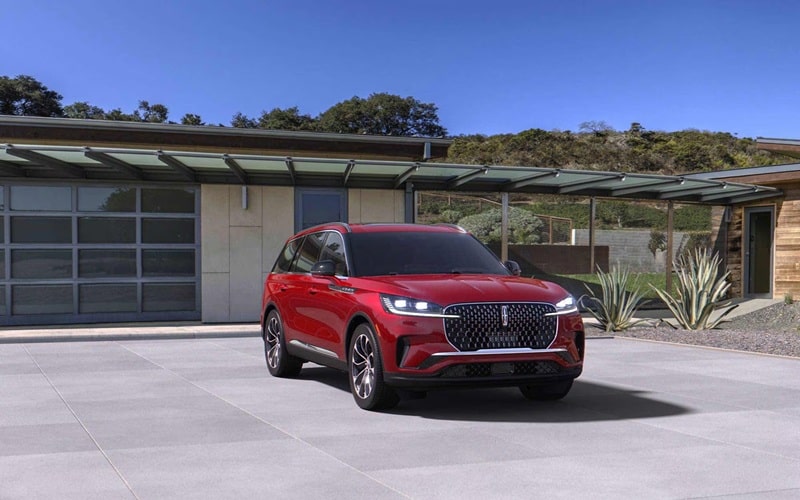
2026 Lincoln Nautilus: What Computer System Does It Use?
The new Lincoln Nautilus integrates a complex automotive computer system that manages vehicle operation, infotainment, safety, and connectivity. Modern vehicles rely on distributed electronic control units (ECUs) and centralized processing platforms to coordinate mechanical and electronic functions. In the Nautilus, this system architecture supports real-time data processing, driver-assistance features, and user-interface control. The 2026 Lincoln […]
The new Lincoln Nautilus integrates a complex automotive computer system that manages vehicle operation, infotainment, safety, and connectivity. Modern vehicles rely on distributed electronic control units (ECUs) and centralized processing platforms to coordinate mechanical and electronic functions. In the Nautilus, this system architecture supports real-time data processing, driver-assistance features, and user-interface control.
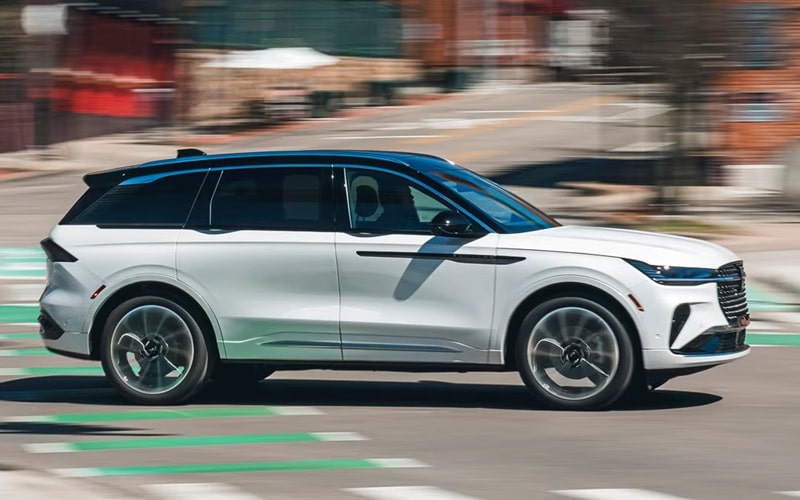
The 2026 Lincoln Nautilus Computer System
The computer system in the Lincoln Nautilus is a distributed electronic architecture combined with centralized high-performance computing modules. Instead of a single computer, the vehicle uses multiple ECUs, each responsible for specific subsystems, interconnected through communication networks.
Key Characteristics
- Dozens of ECUs distributed across the vehicle
- High-speed data communication networks
- Centralized processing for infotainment and advanced features
- Real-time system monitoring and control
This architecture enables modular design, scalability, and precise control of vehicle operations.
Core System Components
Electronic Control Units (ECUs)
ECUs are embedded computers dedicated to specific functions.
Types of ECUs
- Powertrain control module (PCM)
- Transmission control module (TCM)
- Body control module (BCM)
- Chassis control module
- Advanced driver assistance system (ADAS) controllers
Function:
- Process sensor inputs
- Execute control algorithms
- Send commands to actuators
Each ECU operates independently but communicates with others.
Central Gateway Module
The gateway module acts as a communication hub.
Function:
- Routes data between different networks
- Manages communication protocols
- Ensures secure data transfer
It separates critical systems (e.g., braking) from non-critical systems (e.g., infotainment).
Infotainment System Processor
The Nautilus includes a high-performance infotainment computing platform.
Features:
- Touchscreen interface
- Voice control processing
- Navigation and media management
The system operates on a modern automotive operating system designed for real-time responsiveness.
Human-Machine Interface (HMI)
The HMI includes:
- Digital instrument cluster
- Central display
- Input controls (touch, voice, steering wheel buttons)
Function:
- Provides driver information
- Allows interaction with vehicle systems
Sensor Network
The vehicle uses a wide range of sensors:
- Temperature sensors
- Pressure sensors
- Wheel speed sensors
- Radar and camera systems
These sensors provide data to ECUs for processing.
Communication Networks
Controller Area Network (CAN)
CAN is the primary communication protocol.
Characteristics:
- Reliable and fault-tolerant
- Medium-speed data transmission
- Used for critical systems
Local Interconnect Network (LIN)
LIN is used for simpler subsystems.
Applications:
- Window controls
- Seat adjustments
- Lighting systems
Automotive Ethernet
Ethernet is used for high-bandwidth data transfer.
Applications:
- Camera systems
- Infotainment
- Advanced driver assistance features
Data Flow and System Coordination
Real-Time Processing
The system operates in real time, meaning:
- Data is processed continuously
- Responses occur within milliseconds
Sensor-to-Actuator Loop
- Sensors collect data
- ECUs process the information
- Commands are sent to actuators
Examples:
- Adjusting engine parameters
- Activating braking systems
- Modifying steering input
Cross-System Communication
Subsystems share data to improve performance.
Example:
- Stability control uses data from steering, braking, and wheel speed systems
Software Architecture
Embedded Software
Each ECU runs embedded software.
Characteristics:
- Real-time operating systems (RTOS)
- Deterministic execution
- High reliability
Centralized Software Platforms
The infotainment and connectivity systems use more advanced software environments.
Capabilities:
- Over-the-air (OTA) updates
- Application-based interfaces
- Cloud connectivity
Cybersecurity Systems
The vehicle includes cybersecurity measures.
Features:
- Secure communication protocols
- Firewall functions in the gateway module
- Authentication for software updates
Advanced Driver Assistance Systems (ADAS)
ADAS Control Units
Dedicated processors handle ADAS functions.
Examples:
- Adaptive cruise control
- Lane keeping assistance
- Collision avoidance
Sensor Fusion
Data from multiple sensors is combined.
Sources:
- Radar
- Cameras
- Ultrasonic sensors
Purpose:
- Create an accurate model of the vehicle environment
Decision Algorithms
ADAS systems use algorithms to:
- Detect objects
- Predict movement
- Trigger appropriate responses
Powertrain Control Integration
Engine and Transmission Management
The powertrain control module manages:
- Fuel injection
- Ignition timing
- Transmission shifting
Efficiency Optimization
The system adjusts parameters to:
- Reduce fuel consumption
- Maintain performance
Chassis and Body Control Systems
Body Control Module (BCM)
The BCM manages non-powertrain functions.
Examples:
- Lighting
- Door locks
- Climate control
Chassis Control Integration
The system coordinates:
- Suspension
- Steering
- Braking
Redundancy and Safety Systems
Fault Detection
The system continuously monitors:
- Sensor signals
- Communication networks
- ECU performance
Fail-Safe Operation
If a fault is detected:
- Backup strategies are activated
- Driver warnings are issued
Redundant Communication Paths
Critical systems may use multiple communication channels to ensure reliability.
Over-the-Air (OTA) Updates
The Nautilus supports OTA updates.
Function:
- Update software remotely
- Improve system performance
- Fix issues without physical access
Engineering Considerations
Processing Power
Modern vehicles require significant computational capacity.
- Multi-core processors
- High-speed memory
Latency Requirements
Critical systems must operate with minimal delay.
- Millisecond-level response times
Thermal Management
Electronic components generate heat.
- Cooling strategies ensure stable operation
Maintenance and Diagnostics
Diagnostic Systems
The vehicle includes onboard diagnostics (OBD).
Function:
- Detect faults
- Store diagnostic codes
Software Maintenance
Software updates may address:
- Performance improvements
- Bug fixes
System Calibration
ECUs may require calibration for:
- Sensor accuracy
- System coordination
The computer system architecture described above reflects the type of integrated electronic environment commonly analyzed in service contexts such as Toronto Lincoln Dealers, where diagnostics rely on interpreting data from multiple interconnected control units.
System Scalability and Future Development
Modular Design
The system allows:
- Addition of new features
- Upgrades to existing modules
Increasing Centralization
Future systems may shift toward:
- Fewer, more powerful central processors
- Reduced number of ECUs
Enhanced Connectivity
Integration with external systems includes:
- Cloud services
- Mobile device interaction
2026 Lincoln Nautilus FAQ
What type of computer system does the 2026 Lincoln Nautilus use?
It uses a distributed system of electronic control units connected through CAN, LIN, and Ethernet networks, along with centralized computing for infotainment and advanced features.
How do ECUs communicate with each other?
They communicate through vehicle networks such as CAN, LIN, and automotive Ethernet, managed by a central gateway module.
Does the vehicle support software updates?
Yes, it supports over-the-air updates for certain systems, allowing remote software improvements.
What role does the infotainment system play?
It manages user interaction, media, navigation, and connectivity through a high-performance computing platform.
How does the system ensure safety and reliability?
It uses fault detection, redundant communication pathways, and fail-safe strategies to maintain operation and alert the driver in case of issues.
Disclaimer: Content contained in this post is for informational purposes only and may include features and options from US or internacional models. Please contact the dealership for more information or to confirm vehicle, feature availability.