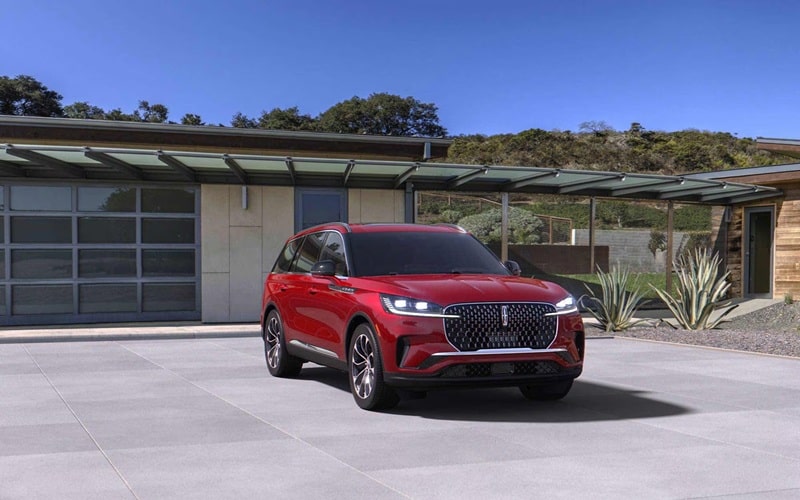
Lincoln Navigator: Towing and Hauling Capacity by Generation
Many shoppers and owners researching the Lincoln Navigator eventually ask the same question: how have towing and hauling capacities changed across different generations? The answer depends on the specific generation, powertrain, chassis design, and factory towing equipment available at the time. Over the years, the Lincoln Navigator has evolved from a traditional body-on-frame luxury SUV […]
Many shoppers and owners researching the Lincoln Navigator eventually ask the same question: how have towing and hauling capacities changed across different generations?
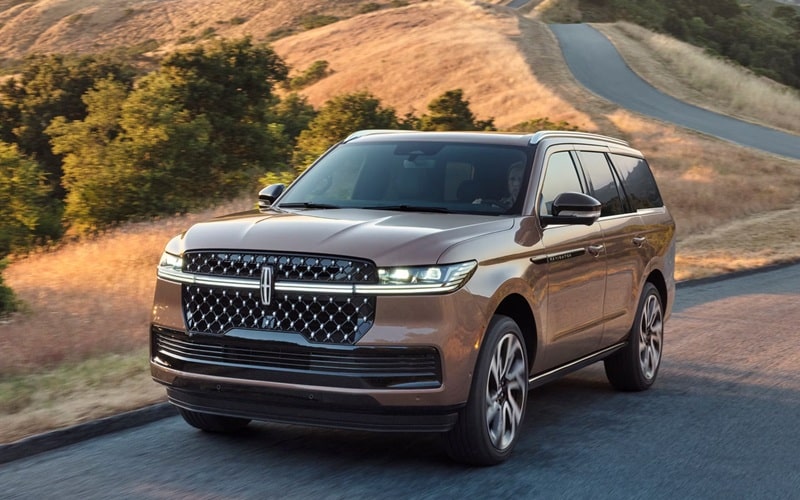
The answer depends on the specific generation, powertrain, chassis design, and factory towing equipment available at the time. Over the years, the Lincoln Navigator has evolved from a traditional body-on-frame luxury SUV with V8 power to a more modern platform featuring turbocharged engines, advanced towing technologies, and electronic trailer-management systems.
Understanding towing and hauling capacity by generation can help buyers compare models, identify the most suitable Navigator for their needs, and understand why capability figures have changed over time. This guide explains how towing and hauling capacity evolved throughout the Navigator history in Canada and what factors influence those ratings.
Lincoln Navigator Towing and Hauling Capacity
Before comparing generations, it is helpful to understand what these ratings mean.
Towing Capacity
Towing capacity refers to the maximum trailer weight a vehicle is engineered to pull under specified conditions.
This rating depends on multiple factors, including:
- Engine output
- Transmission design
- Frame strength
- Cooling systems
- Suspension components
- Axle ratios
- Trailer equipment
Maximum towing ratings generally require specific factory-installed towing equipment.
Hauling Capacity
Hauling capacity, often referred to as payload capacity, represents the maximum amount of weight that can be carried inside the vehicle and cargo area.
Payload includes:
- Passengers
- Cargo
- Accessories
- Trailer tongue weight
Because trailer tongue weight counts toward payload, both ratings must be considered together when towing.
First Generation Lincoln Navigator (1998–2002)
The first-generation Lincoln Navigator introduced full-size luxury SUV capability to the Lincoln lineup. Built on a body-on-frame platform, these models utilized V8 powertrains designed to support towing and passenger-carrying duties. Compared with modern Navigators, towing technology was relatively straightforward.
Features typically included:
- Traditional trailer hitch systems
- Automatic transmission towing capability
- Heavy-duty cooling equipment on certain models
- Trailer wiring provisions
Towing capacity varied depending on equipment and drivetrain configuration.
When evaluating a first-generation Navigator today, owners should verify the exact factory equipment because towing ratings could differ between vehicles.
Second Generation Lincoln Navigator (2003–2006)
The second generation introduced significant structural and engineering improvements.
Updates included:
- Revised chassis design
- Improved suspension systems
- Enhanced powertrain performance
- Updated towing hardware
The increased capability available during this period reflected improvements in both vehicle structure and drivetrain performance.
Certain models offered towing capacities exceeding those of earlier Navigators, particularly when equipped with factory towing packages. Hauling capability also benefited from suspension refinements and chassis improvements. For owners comparing early Navigator generations, the second generation often represents a notable step forward in towing engineering.
Third Generation Lincoln Navigator (2007–2017)
The third-generation Navigator remained in production for an extended period and received several updates throughout its lifecycle. This generation introduced additional towing-focused technologies while continuing to use body-on-frame construction.
Important developments included:
- More advanced electronic controls
- Improved trailer integration
- Enhanced transmission management
- Updated cooling systems
As towing technology evolved, electronic systems began playing a larger role in maintaining vehicle stability while pulling trailers.
Many models from this generation offered substantial towing capability when properly equipped. However, exact ratings varied depending on model year, drivetrain, wheelbase configuration, and towing equipment. Owners researching third-generation models should consult specifications for the specific model year under consideration.
Fourth Generation Lincoln Navigator (2018–Present)
The fourth-generation Navigator introduced one of the most significant engineering changes in the model’s history.
Major updates included:
- Lightweight aluminum-intensive body construction
- Twin-turbocharged engine technology
- Advanced transmission systems
- Modern trailer-control technologies
- Integrated driver-assistance systems
The reduction in vehicle weight combined with strong power output helped support competitive towing capability.
Modern towing technologies became increasingly sophisticated and may include systems such as:
- Trailer sway control
- Trailer backup assistance features
- Integrated trailer monitoring
- Advanced cooling management
- Electronic stability integration
These systems help improve towing confidence and vehicle control. Current-generation models available in Canada can achieve towing capacities that rival those of the Navigator when properly equipped.
Why Towing Capacity Changes Between Generations
Owners sometimes wonder why towing ratings increase, decrease, or vary between generations. Several engineering factors contribute to these differences.
Engine Design
Changes in engine technology affect towing performance.
Factors include:
- Torque output
- Power delivery characteristics
- Cooling requirements
- Fuel-management systems
Newer engines may generate greater towing capability despite having smaller displacement than older engines.
Transmission Improvements
Transmission technology plays a major role in towing performance.
Modern transmissions provide:
- Additional gear ratios
- Improved shift management
- Better thermal control
- Enhanced load handling
These improvements help optimize towing performance across varying conditions.
Frame and Chassis Engineering
The Navigator body-on-frame architecture has remained central to its towing capability. However, frame designs have evolved.
Engineering updates can improve:
- Structural rigidity
- Weight distribution
- Durability
- Trailer-load management
These factors contribute directly to towing and hauling performance.
Suspension Development
Suspension systems influence:
- Vehicle stability
- Ride control
- Load management
- Trailer handling
Successive Navigator generations have incorporated suspension refinements that support both passenger comfort and towing capability.
Cooling Systems
Towing places significant demands on:
- Engines
- Transmissions
- Drivetrain components
Enhanced cooling systems help maintain operating temperatures under load. Improved thermal management often supports higher towing ratings.
Electronic Towing Technologies
Modern Navigator models incorporate electronic systems that were unavailable on earlier generations.
Examples include:
- Trailer sway mitigation
- Stability control integration
- Advanced traction systems
- Trailer-specific driver assistance
These technologies help support towing operations across a wider range of conditions.
What to Check When Comparing Navigator Generations
If you are researching towing and hauling capacity by generation, consider more than the maximum published rating.
Verify Factory Towing Equipment
Two vehicles from the same generation may have different towing capacities based on factory-installed equipment.
Check for:
- Tow package availability
- Hitch equipment
- Cooling upgrades
- Trailer wiring systems
Review Payload Ratings
Payload directly affects towing operation. Passengers, cargo, and trailer tongue weight all contribute to the vehicle’s total load.
Consider Wheelbase and Configuration
Certain Navigator configurations may offer different towing ratings depending on:
- Wheelbase length
- Drivetrain type
- Equipment packages
Evaluate Intended Trailer Weight
Boat trailers, travel trailers, utility trailers, and enclosed cargo trailers all place different demands on the vehicle. Matching trailer weight to vehicle capability is more important than simply comparing maximum ratings.
What to Expect Across Generations
In general, Navigator towing capability has evolved through improvements in:
- Powertrain performance
- Chassis engineering
- Cooling systems
- Transmission technology
- Trailer-control electronics
Older generations provide traditional towing capability with simpler systems, while newer generations integrate advanced technologies designed to improve stability and towing management. Although towing ratings vary by model year and equipment, each generation reflects the engineering priorities of its era.
Find the Right Lincoln Navigator For You
When comparing Lincoln Navigator towing and hauling capacity by generation, the most important factor is understanding the specific vehicle configuration rather than relying solely on generation-wide assumptions.
From the original body-on-frame models of the late 1990s to the advanced current-generation Navigator, towing capability has evolved through improvements in engine technology, transmission design, structural engineering, cooling systems, and trailer-management technologies.
For buyers and owners researching towing capacity across generations, reviewing the exact model year, drivetrain, payload rating, and factory towing equipment will provide the clearest picture of what a particular Lincoln Navigator is designed to handle.
Disclaimer: Content contained in this post is for informational purposes only and may include features and options from US or internacional models. Please contact the dealership for more information or to confirm vehicle, feature availability.