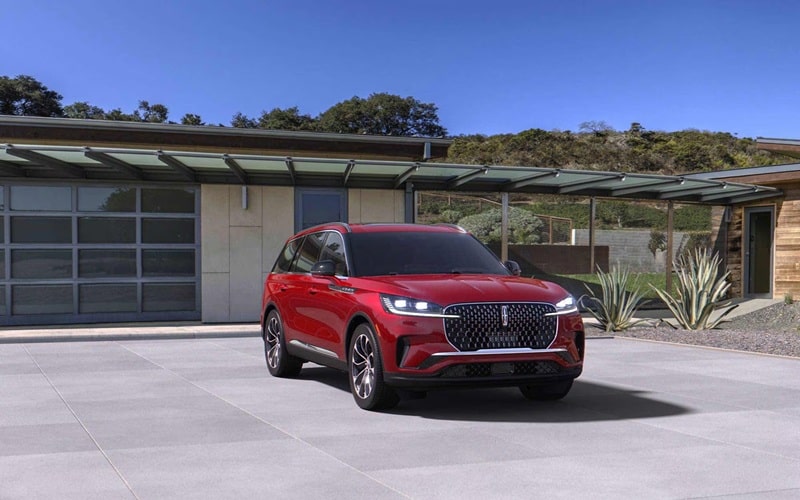
2026 Lincoln Nautilus: What Safety Systems Are Standard?
Vehicle safety has evolved significantly over the past decade, moving beyond basic passive protection into a comprehensive network of active and preventive technologies. In a modern luxury SUV like the Lincoln Nautilus, safety systems not only protect occupants during a collision but also help prevent accidents from occurring in the first place. The integration of […]
Vehicle safety has evolved significantly over the past decade, moving beyond basic passive protection into a comprehensive network of active and preventive technologies. In a modern luxury SUV like the Lincoln Nautilus, safety systems not only protect occupants during a collision but also help prevent accidents from occurring in the first place.
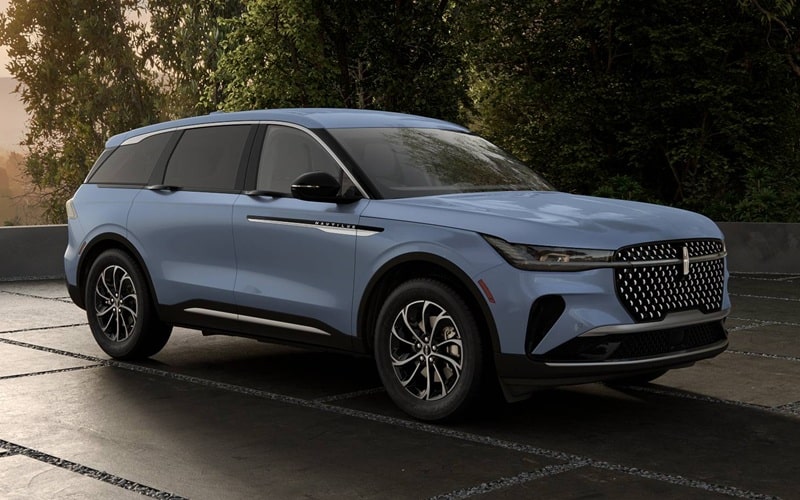
The integration of sensors, cameras, radar systems, and advanced software allows the vehicle to continuously monitor its surroundings and assist the driver in real time. These technologies work together to improve awareness, reduce human error, and enhance overall driving confidence in a wide range of conditions.
Lincoln Nautilus Safety System Architecture
The safety systems in the Lincoln Nautilus are divided into three primary categories:
- Active safety systems (accident prevention)
- Driver assistance technologies (support and awareness)
- Passive safety systems (occupant protection during impact)
These systems are interconnected through a central electronic architecture that processes data from multiple sensors and executes corrective actions when necessary.
Sensor and Detection Systems
Camera-Based Systems
The Nautilus uses forward-facing and surround-view cameras to detect:
- Lane markings
- Vehicles ahead
- Pedestrians and cyclists
- Road signs
These cameras provide high-resolution visual data to the vehicle’s control systems.
Radar Sensors
Radar units measure the distance and speed of objects around the vehicle.
Applications
- Adaptive cruise control
- Blind spot detection
- Rear cross-traffic alert
Radar performs reliably in low-visibility conditions such as fog or rain.
Ultrasonic Sensors
Short-range ultrasonic sensors are typically used for:
- Parking assistance
- Low-speed obstacle detection
These sensors provide precise measurements at close distances.
Forward Collision Warning and Automatic Emergency Braking
Forward Collision Warning (FCW)
This system monitors the distance to vehicles ahead and alerts the driver if a potential collision is detected.
Automatic Emergency Braking (AEB)
If the driver does not respond in time, the system can automatically apply the brakes.
Detection Capabilities
- Vehicles
- Pedestrians
- Cyclists (in many conditions)
Benefits
- Reduces severity of collisions
- Helps avoid accidents entirely in some cases
Lane-Keeping System
Lane Departure Warning
The system alerts the driver if the vehicle unintentionally drifts out of its lane.
Lane-Keeping Assist
If necessary, the system applies gentle steering input to guide the vehicle back into its lane.
Lane Centering
In some driving modes, the system can actively maintain the vehicle’s position within the lane.
Blind Spot Monitoring and Cross-Traffic Alert
Blind Spot Information System (BLIS)
This system monitors areas alongside and slightly behind the vehicle.
Function
- Alerts driver to vehicles in blind spots
- Uses visual indicators in side mirrors
Rear Cross-Traffic Alert
When reversing, the system detects approaching vehicles from either side and provides warnings.
Adaptive Cruise Control
Distance Management
Adaptive cruise control maintains a set speed while automatically adjusting distance from the vehicle ahead.
Stop-and-Go Capability
In traffic conditions, the system can:
- Bring the vehicle to a complete stop
- Resume movement when traffic starts again
Integration
Works with radar and camera systems to maintain safe spacing.
Evasive Steering Assist
Function
This system supports steering input when the driver needs to avoid an obstacle.
Operation
- Detects potential collision
- Assists with steering to help maneuver around the obstacle
Benefit
Provides additional control during emergency situations.
Driver Attention Monitoring
Monitoring Behavior
The system tracks driver inputs such as steering patterns and lane position.
Alerts
If signs of fatigue or inattention are detected, the system issues warnings encouraging the driver to take a break.
Traffic Sign Recognition
Detection
Cameras identify road signs such as:
- Speed limits
- Stop signs
- Warning signs
Display
Information is displayed to the driver to improve awareness and compliance.
Parking Assistance Systems
Rearview Camera
Provides a clear view behind the vehicle when reversing.
360-Degree Camera System
Offers a top-down view of the vehicle and surroundings.
Parking Sensors
Assist with detecting obstacles at low speeds.
Passive Safety Systems
Airbag System
Coverage
The Nautilus includes a comprehensive airbag system:
- Front airbags
- Side airbags
- Curtain airbags
Function
Airbags deploy in the event of a collision to reduce the risk of injury.
Seatbelt Systems
Pretensioners
Tighten seatbelts during a collision to secure occupants.
Load Limiters
Control the force applied by the seatbelt to reduce the risk of injury.
Structural Safety Design
Crumple Zones
Designed to absorb and dissipate impact energy.
Reinforced Cabin
Maintains structural integrity to protect occupants.
High-Strength Materials
Used in key areas to improve durability and crash performance.
Electronic Stability and Traction Control
Stability Control
Helps maintain control during cornering by adjusting braking and engine power.
Traction Control
Prevents wheel slip during acceleration.
Integration
These systems work with braking and engine systems to maintain vehicle stability.
Anti-Lock Braking System (ABS)
Function
Prevents wheel lock-up during braking.
Benefit
Maintains steering control during emergency stops.
Brake Assist
Emergency Detection
Detects sudden braking and applies additional force if needed.
Outcome
Reduces stopping distance in critical situations.
Post-Collision Braking
Function
Automatically applies brakes after a collision to prevent secondary impacts.
Benefit
Reduces risk of further damage or injury.
Integration of Safety Systems
Central Control Module
All safety systems are coordinated through a central processing unit.
Data Fusion
Combines inputs from cameras, radar, and sensors to create a comprehensive view of the environment.
Real-Time Response
The system can react within milliseconds to changing conditions.
Real-World Safety Scenarios
Urban Driving
- Detects pedestrians and cyclists
- Assists in stop-and-go traffic
Highway Driving
- Maintains safe following distance
- Keeps vehicle centred in lane
Parking Situations
- Provides visual and sensor-based guidance
- Reduces risk of low-speed collisions
Engineering Philosophy
Prevention First
The primary goal is to prevent accidents through awareness and intervention.
Redundancy
Multiple systems overlap to ensure reliability.
Driver Support
Systems are designed to assist, not replace, the driver.
2026 Lincoln Nautilus FAQ Section
What safety systems are standard in the 2026 Lincoln Nautilus?
- It includes forward collision warning, automatic emergency braking, lane-keeping assist, blind spot monitoring, adaptive cruise control, and a full airbag system.
Does the Nautilus have automatic braking?
- Yes, it features automatic emergency braking that can activate if a collision risk is detected.
How does blind spot monitoring work?
- It uses radar sensors to detect vehicles in adjacent lanes and alerts the driver through visual indicators.
Can the vehicle assist with steering?
- Yes, lane-keeping assist and evasive steering support help guide the vehicle in certain situations.
Are parking assistance features included?
- Yes, it includes a rearview camera, parking sensors, and often a 360-degree camera system.
Disclaimer: Content contained in this post is for informational purposes only and may include features and options from US or internacional models. Please contact the dealership for more information or to confirm vehicle, feature availability.